


-

Add: HeBei ShengShi HongBang Cellulose Technology CO.,LTD.
-

Email
13180486930@163.com -

CONTACT US
+86 13180486930





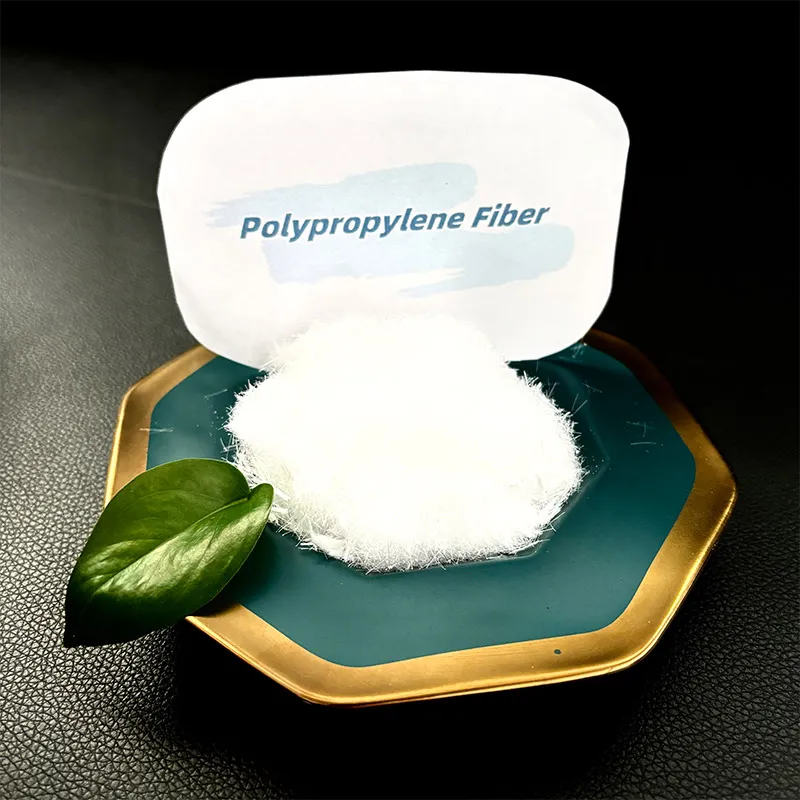
Polypropylene fiber is an innovative material that significantly enhances the performance characteristics of concrete and mortar, making it an essential component in modern construction applications. As a premier supplier, HeBei ShengShi HongBang delivers premium-grade polypropylene fibers that meet rigorous international standards for strength, durability, and performance optimization. Technical Specifications of Premium Polypropylene Fibers Parameter Standard Value Test Method Performance Benefit Fiber Length 3-20 mm ASTM D2130 Crack control optimization Diameter 18-45 microns ISO 1888 Optimal reinforcement distribution Tensile Strength 400-750 MPa ASTM D2101 Structural reinforcement Elastic Modulus 3.5-10 GPa ISO 527 Flexural strength enhancement Melting Point 160-170°C ASTM D7138 Heat resistance Density 0.91 g/cm³ ISO 1183 Ease of mixing Alkali Resistance >95% ASTM C1116 Concrete matrix longevity Dosage Rate 0.6-1.8 kg/m³ ACI 544 Plastic shrinkage reduction Industry Applications & Technical Advantages Concrete Reinforcement Our pp fiber products reduce crack formation by up to 85% while improving impact resistance by 150% (ACI Materials Journal). Mortar Enhancement Microfiber synthetic additives decrease permeability and improve freeze-thaw durability in mortar applications. Pavement Construction Integrating polypropylene fibre extends road lifespan by minimizing reflective cracking (Journal of Materials in Civil Engineering). Industrial Flooring Our fibers increase abrasion resistance and eliminate joint spacing limitations in warehouse slabs. Performance Analysis of Polypropylene Fibers Comparative strength development in fiber-reinforced concrete Surface durability under abrasion testing cycles (ASTM C944) Global market growth projections for synthetic fibers (2024-2030) Technical FAQ: Polypropylene Fiber Applications What fiber length provides optimal crack control? For most concrete applications, 12mm fibers demonstrate optimal performance with uniform dispersion and maximum crack-bridging capability according to RILEM technical recommendations. For spray applications, 6mm microfibers are preferred. How does aspect ratio affect reinforcement? Aspect ratio (length/diameter) directly influences bonding strength. We manufacture fibers with 200-500 ratios ideal for different mix designs. Higher ratios increase tensile strength but require careful mixing procedures. What polymer grade is suitable for aggressive environments? Our chemically-modified homopolymer fibers with pH stability from 1-13 withstand harsh chemical exposure exceeding 20 years according to ASTM C666 freeze-thaw certification. How does dosage affect compressive strength? Optimal dosages between 0.9-1.2kg/m³ increase compressive strength 15-20% as documented in ACI 544.3R reports. Higher dosages improve toughness but may slightly decrease workability. What surface treatments enhance bonding? Our proprietary hydrophilic coating improves fiber-matrix bond strength by 30% compared to untreated fibers (CTLGroup testing). This treatment also reduces mixing time. How do synthetic fibers compare to steel reinforcement? While steel provides primary reinforcement, polypropylene fiber offers secondary reinforcement with superior crack control, corrosion resistance, and freeze-thaw protection at 1/10 the material cost. What certifications does your production meet? Our manufacturing facility is ISO 9001:2015 certified with individual products meeting ASTM C1116, EN 14889-2, and JIS A6204 standards for consistent quality assurance. Industry Recognition & Technical Validation "Recent studies confirm that properly engineered polypropylene fibers can extend concrete service life by 40-60% by effectively controlling microcrack formation during critical curing stages." - International Journal of Concrete Structures and Materials Additional Technical References: "Performance Evaluation of Synthetic Fiber Reinforced Concrete" - American Concrete Institute ( www.concrete.org ) "Global Fiber Market Analysis 2023" - Fiber Cement Composite Research Council ( fibercomposites.org ) "Durability Enhancements through Microfibers" - Journal of Building Materials Science ( jbms.build ) "Comparative Analysis of Fiber Reinforcements" - Materials and Structures Journal ( matsstruct.springer.com ) "Advanced Production Techniques for PP Fibers" - International Fiber Association ( globalfibers.org ) Request Your Technical Sample Package Experience the ShengShi HongBang difference in our premium polypropylene fiber products engineered for superior performance. Contact Our Engineering Team Call: +86 13180486930 Email: 13180486930@163.com
- 40000tons

Production
- 20+years

Experience
- 5000+㎡

Acreage

-
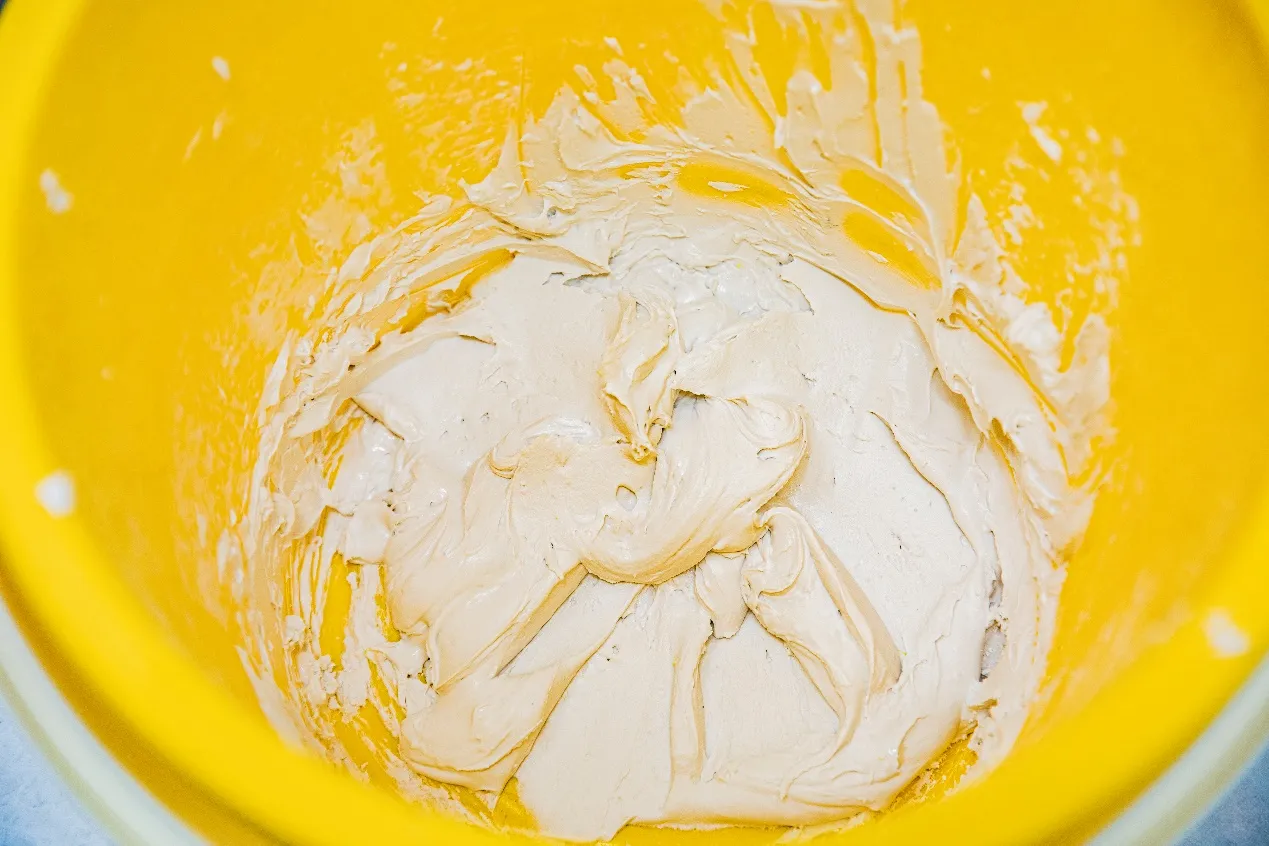
In the construction industry, creating durable and long-lasting tile adhesives is a top priority. The use of rubber powder in tile adhesives has gained significant attention for its ability to enhance the performance and longevity of the bond between tiles and surfaces. Rubber Powder-821 is one such product that has proven to be a reliable solution for durable bonding. This article explores why rubber powder-821 is the go-to choice for tile adhesive manufacturers and consumers looking for robust, lasting results. Rubber Powder-821: Revolutionizing Tile Adhesive Solutions Rubber powder-821 is a specially formulated compound that incorporates rubber powder into the adhesive mix to improve its flexibility, adhesion, and durability. The addition of rubber powder gives the tile adhesive superior elasticity, making it more resistant to cracking and other forms of damage that can occur due to movement or temperature changes. When compared to traditional tile adhesives, rubber powder-821 offers a unique advantage in that it ensures a stronger and more resilient bond between tiles and surfaces. This is especially critical in high-traffic areas, wet environments, and regions with significant temperature fluctuations. The enhanced bonding properties of rubber powder-821 help maintain tile integrity over time, preventing detachment or shifting that can occur due to wear and tear. The Role of Chlorinated Rubber Powder in Enhancing Tile Adhesive Strength In addition to the benefits of rubber powder , chlorinated rubber powder is often included in formulations to improve the chemical stability of tile adhesives. Chlorinated rubber powder contributes to the adhesive's ability to withstand harsh environmental conditions such as moisture, chemicals, and extreme temperatures. This makes it an ideal ingredient for tile adhesives used in bathrooms, kitchens, and outdoor areas where exposure to water and harsh chemicals is common. The unique properties of chlorinated rubber powder allow tile adhesives to remain intact even in challenging environments, ensuring that the bond between tiles and surfaces stays strong and durable for many years. By combining rubber powder-821 with chlorinated rubber powder , tile adhesive manufacturers can offer products that provide exceptional performance, especially in applications where the tiles are exposed to constant moisture or changing temperatures. How Rubber Powder Enhances Adhesion and Flexibility in Tile Bonding One of the most significant advantages of using rubber powder in tile adhesives is its ability to enhance adhesion and flexibility. Rubber powder is known for its elasticity, which makes tile adhesives more forgiving under stress. This is particularly important for tiles that need to bond with surfaces subject to expansion and contraction, such as concrete floors or walls. The incorporation of rubber powder-821 improves the adhesive's capacity to resist cracking and peeling, even under conditions of repeated stress. The increased flexibility ensures that the adhesive can accommodate slight movements without losing its bonding strength. As a result, tiles remain securely attached, even in environments where temperature fluctuations or settling of underlying surfaces may cause traditional adhesives to fail. Rubber Accelerator Free Gloves: Protecting Workers in Tile Installation While discussing the benefits of rubber powder in tile adhesives, it’s also important to consider the safety and well-being of workers handling these materials. Many tile adhesives, especially those that contain chemicals like rubber powder and chlorinated rubber powder , require precautions to avoid skin irritation or allergic reactions. To mitigate these risks, rubber accelerator free gloves are highly recommended for those applying tile adhesives. Rubber accelerator free gloves are specially designed to protect workers from exposure to potentially harmful chemicals found in rubber powder and other adhesive ingredients. These gloves are made without accelerators, which are chemicals that can cause allergic reactions or skin sensitivities. Using rubber accelerator free gloves ensures that workers can handle rubber powder-821 and other adhesive products safely, without compromising their health or comfort. In conclusion, rubber powder-821 is the ideal choice for creating tile adhesives that offer exceptional bonding strength, flexibility, and resistance to environmental stressors. The incorporation of rubber powder and chlorinated rubber powder results in a highly durable adhesive that ensures tiles remain firmly in place, even in the most demanding conditions. Whether it's for residential, commercial, or industrial applications, rubber powder-821 guarantees a lasting bond that will withstand time and wear. For those looking to purchase high-quality rubber powder-821 for tile adhesive applications, visit our website to explore our extensive product range. By choosing rubber powder-821 , you're investing in a tile adhesive that delivers long-lasting results and superior performance for any project.
-

Polypropylene fiber is a versatile, high-performance material that offers a wide range of benefits for various applications. Whether you’re working in construction, textiles, or even automotive industries, polypropylene fiber provides exceptional strength, durability, and resistance to moisture and chemicals. As a lightweight and cost-effective solution, polypropylene fiber is a valuable addition to your product lineup. By incorporating polypropylene fiber into your materials, you can enhance performance while ensuring long-lasting results. Discover why polypropylene fiber is the ideal choice for your next project. Explore Polypropylene Fiber for Sale at Competitive Prices Looking for high-quality polypropylene fiber for sale ? Our premium polypropylene fiber for sale offers a range of grades and specifications to suit your needs. Whether you’re purchasing in bulk for large-scale projects or in smaller quantities for specialized applications, we provide flexible options to meet your budget. Our polypropylene fiber for sale is made with top-quality materials, ensuring consistent performance and durability. With fast shipping and excellent customer service, purchasing polypropylene fiber for sale has never been easier. Get in touch with us today to learn more about our products and competitive pricing. The Benefits of Using Polypropylene Fiber in Concrete Polypropylene fiber used in concrete offers unmatched advantages, particularly in enhancing the strength and durability of your construction projects. When added to concrete, polypropylene fiber helps improve the material’s resistance to cracking, shrinkage, and surface wear. It also enhances the flexibility and workability of the concrete, making it easier to apply in various conditions. Polypropylene fiber used in concrete is especially effective in applications like flooring, pavements, and precast concrete products. By incorporating polypropylene fiber into your concrete mix, you can achieve stronger, more durable structures that stand the test of time. Discover the Versatility of Synthetic Polypropylene Fiber Synthetic polypropylene fiber is a high-performance material designed for a wide array of applications. Known for its superior strength and lightweight properties, synthetic polypropylene fiber is commonly used in concrete reinforcement, textiles, automotive components, and much more. Unlike natural fibers, synthetic polypropylene fiber is resistant to rot, mildew, and UV degradation, making it an ideal choice for both indoor and outdoor applications. Whether you’re enhancing the durability of construction materials or improving the quality of fabrics, synthetic polypropylene fiber offers unparalleled performance and versatility. Experience the difference that synthetic polypropylene fiber can make in your products. Why Choose Us for Your Polypropylene Fiber Needs? When it comes to sourcing polypropylene fiber , you need a reliable supplier that provides top-quality materials at competitive prices. As a trusted provider of polypropylene fiber for sale , we offer a range of products that are perfect for various industries, from construction to textiles. Our polypropylene fiber used in concrete is designed to enhance the durability and performance of your projects, while our synthetic polypropylene fiber is ideal for diverse applications requiring strength and resilience. With excellent customer service, flexible ordering options, and fast delivery, we are your one-stop-shop for all your polypropylene fiber needs.
advantages
-

200000 Viscosities
Excellent product
We can produce pure products up to 200,000 viscosities
-

40000 tons
High yield
We don’t stop production all year round, and the annual output can reach 40,000 tons
-

24 hours
Quality service
We provide 24-hours online reception service, welcome to consult at any time
———— Inquiry Form
Schedule A services

-
 vivapharm_hpmc
Oct . 25, 2025
The Role of Manufacturers in the Production of PP Fiber Polypropylene (PP) fiber has gained signific -
 synthetic_staple_fiber
Oct . 25, 2025
Retaining optimal eye health in today’s digitally-driven world poses a significant challenge, with i -
 hydroxypropyl_methylcellulose_in_shampoo
Oct . 25, 2025
Polypropylene fiber ( PP fiber ) has transformed the synthetic fiber market with its remarkable tech


